Scotland's Unique Areas
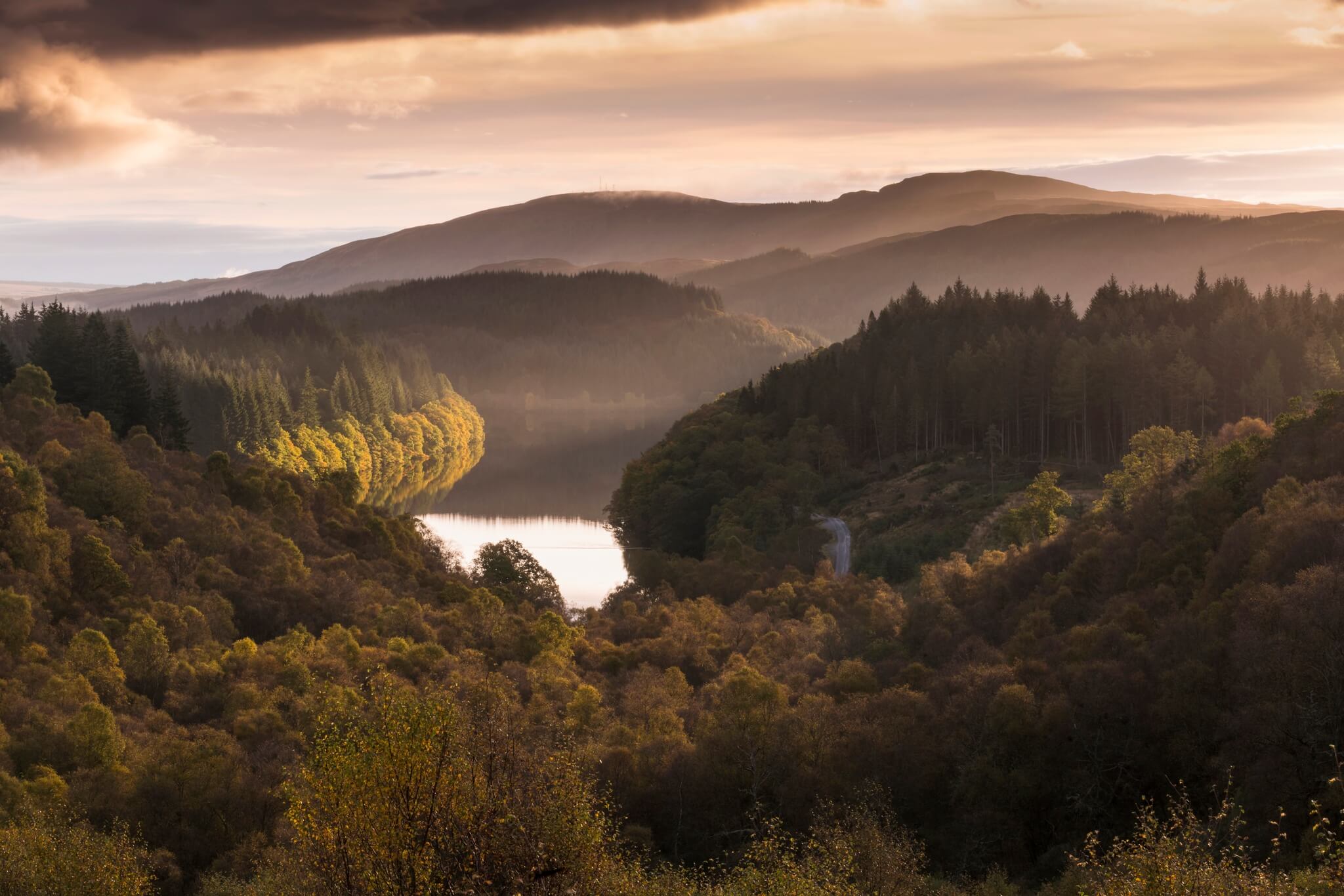
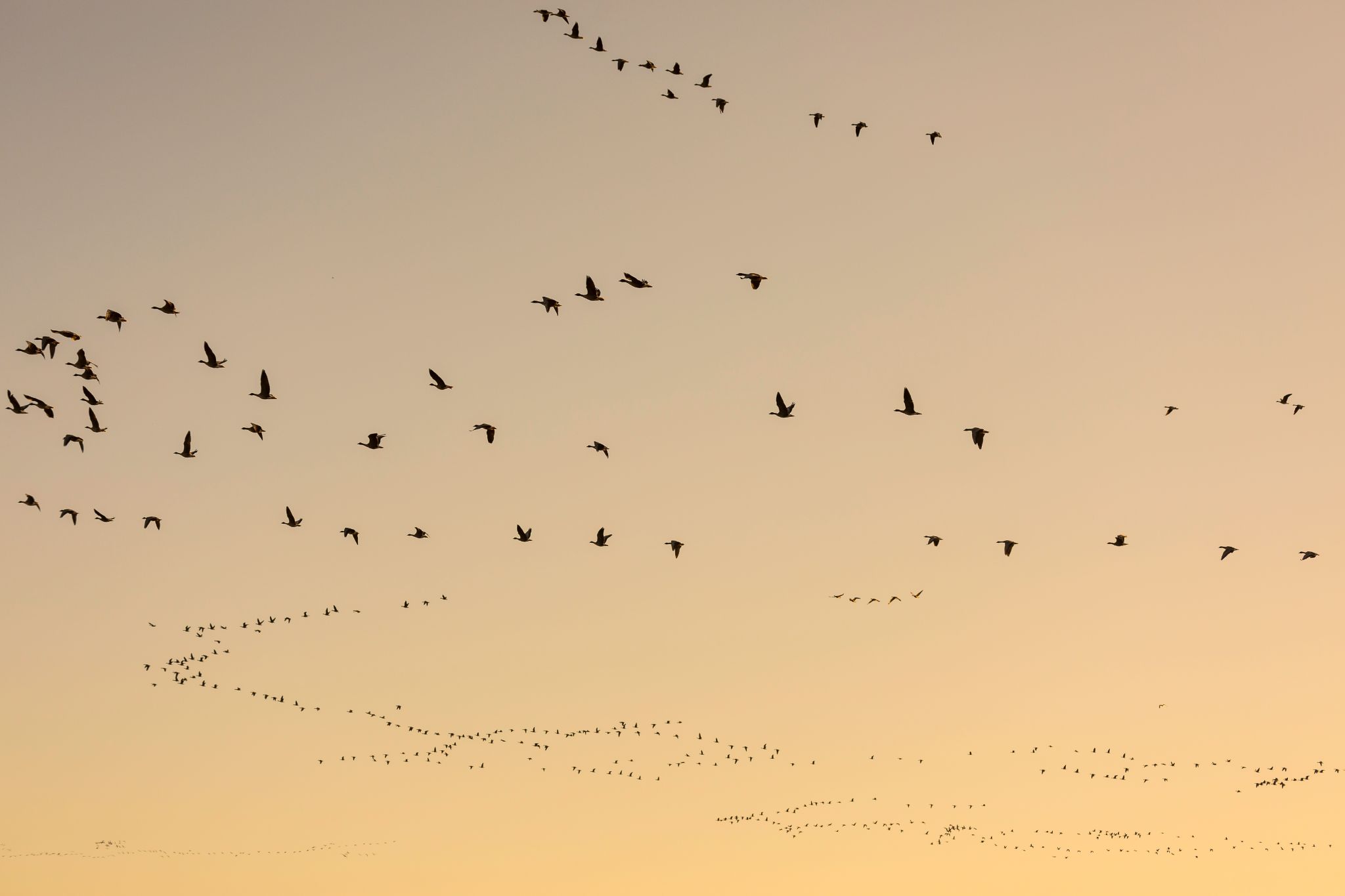
Scotland has a more diverse range of habitats than almost any country of comparable size. From the unrivalled peat bog expanses of the Caithness Flow Country through the Arctic Cairngorm plateau and the temperate rainforests of Argyll to the salt marshes of the mild Solway coast, Scotland's natural environment is second to none. Each area of the country has its own wildlife habitat speciality or wildlife park, be it the wintering geese of Islay and Caerlaverock, the seabird cities of the Outer Hebrides, Orkney and Shetland or the stags, wildcats, eagles and ospreys of the Grampian Highlands. Isn't it time you took a closer look at Scotland's astounding natural environment?
Aberdeen City and Shire
Rimmed by fertile lowlands along its North Sea shore, threaded by fish-rich rivers and rising to moors and mountains, this area has a huge variety of habitats in which to watch wildlife. You could begin in the heart of its biggest city.
Click on the map or on the area name for more information.
Angus & City of Dundee
Angus and Dundee provides ample opportunity to enjoy the soothing and relaxing sound of birdsong and bubbling brooks in a beautiful natural nature reserve. On the Angus coast, there is a fascinating array of birds, animals and plants along the Seaton Cliffs Nature Trail, Arbroath, which is part of the Angus Coastal Trail. Here, you may encounter primroses, violets or sea pinks, as well as seabirds such as fulmars and butterflies including common blue.
Click on the map or on the area name for more information.
West Highlands & Islands, Loch Lomond, Stirling & Trossachs
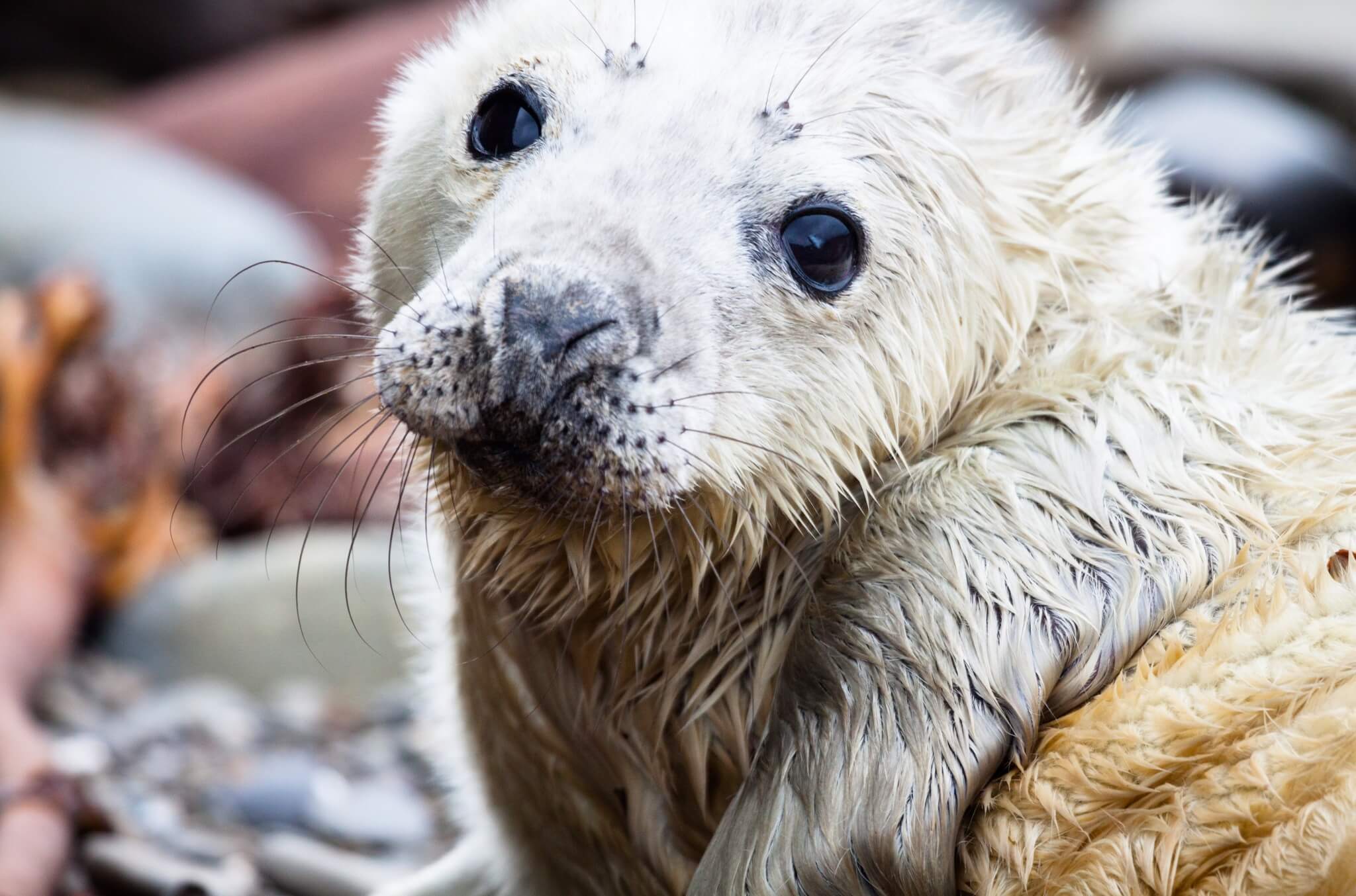
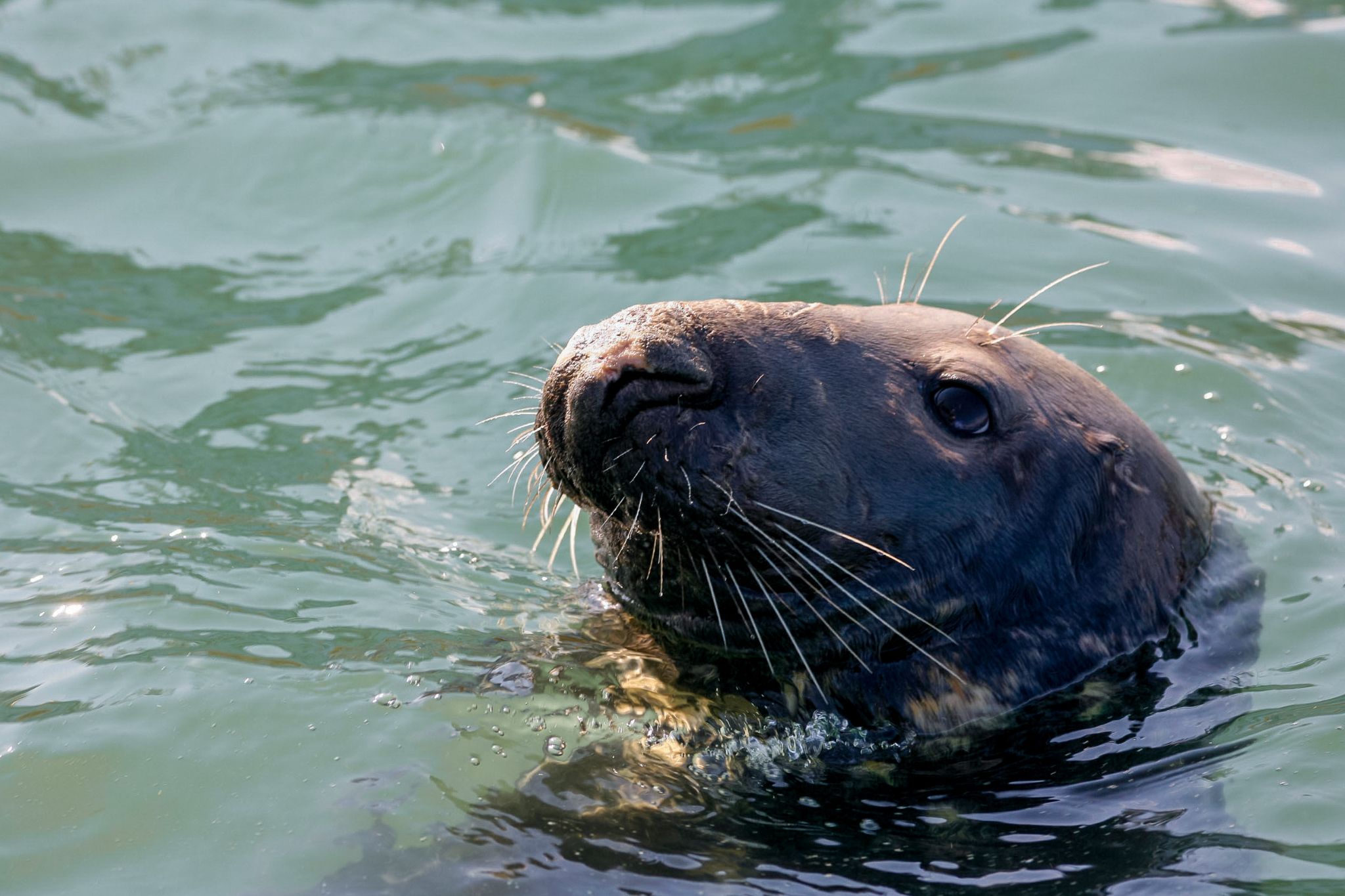
The sea interweaves with the land all along this area's western edge. Its influence keeps the climate mild and the greenery lush. One bonus is that you can walk through real temperate rainforest in the region's many western oakwoods, such as the reserves at Taynish and Crinan woods near Lochgilphead and Glasdrum between Oban and Fort William. Walk their trails to enjoy a brilliant variety of mosses, flowers and birds, including buzzards. You can look for signs of otters anywhere along the coast,and you're sure to encounter a few of the region's thousands of grey and common seals.
Click on the map or on the area name for more information.
Shetland
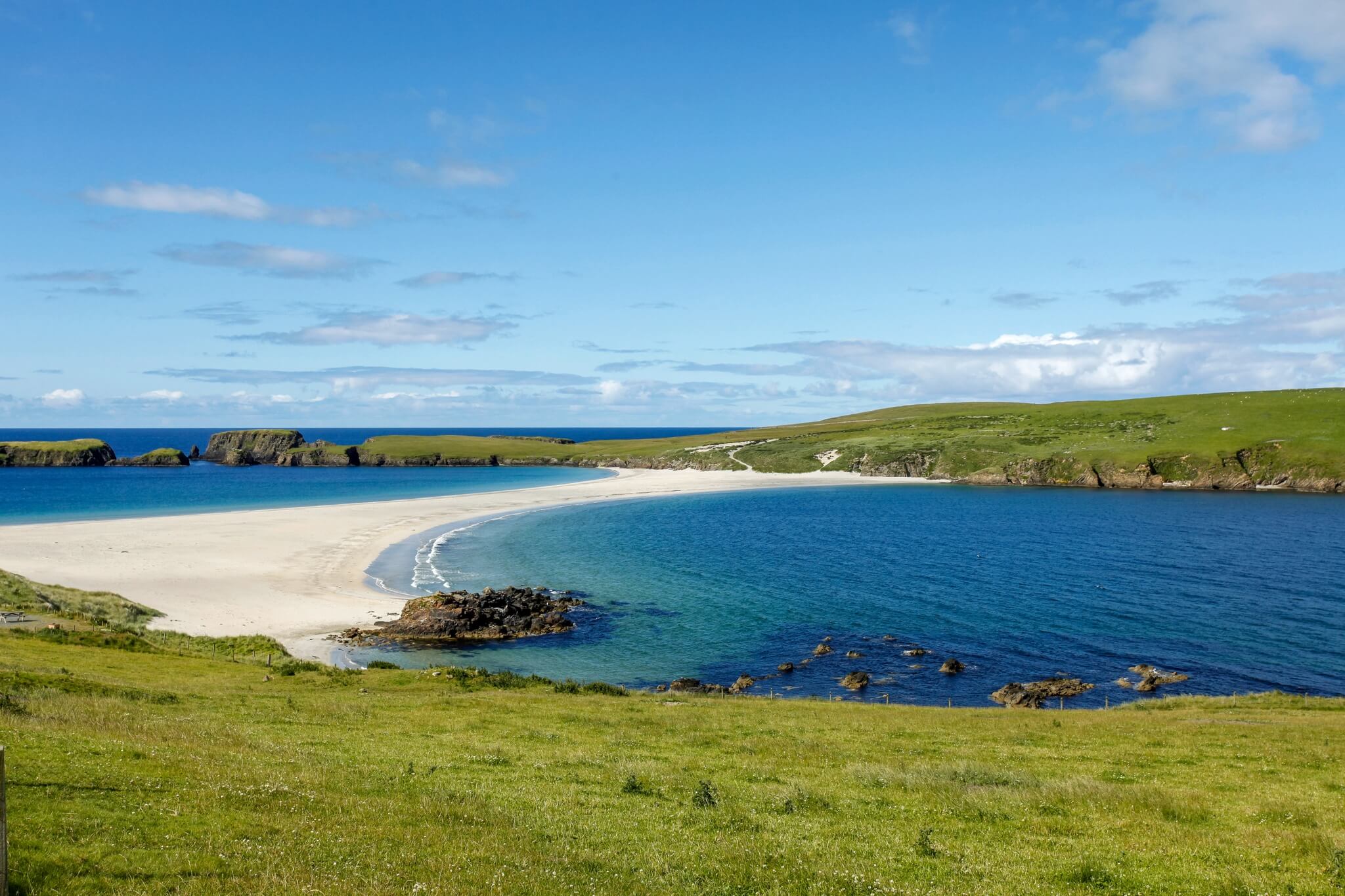
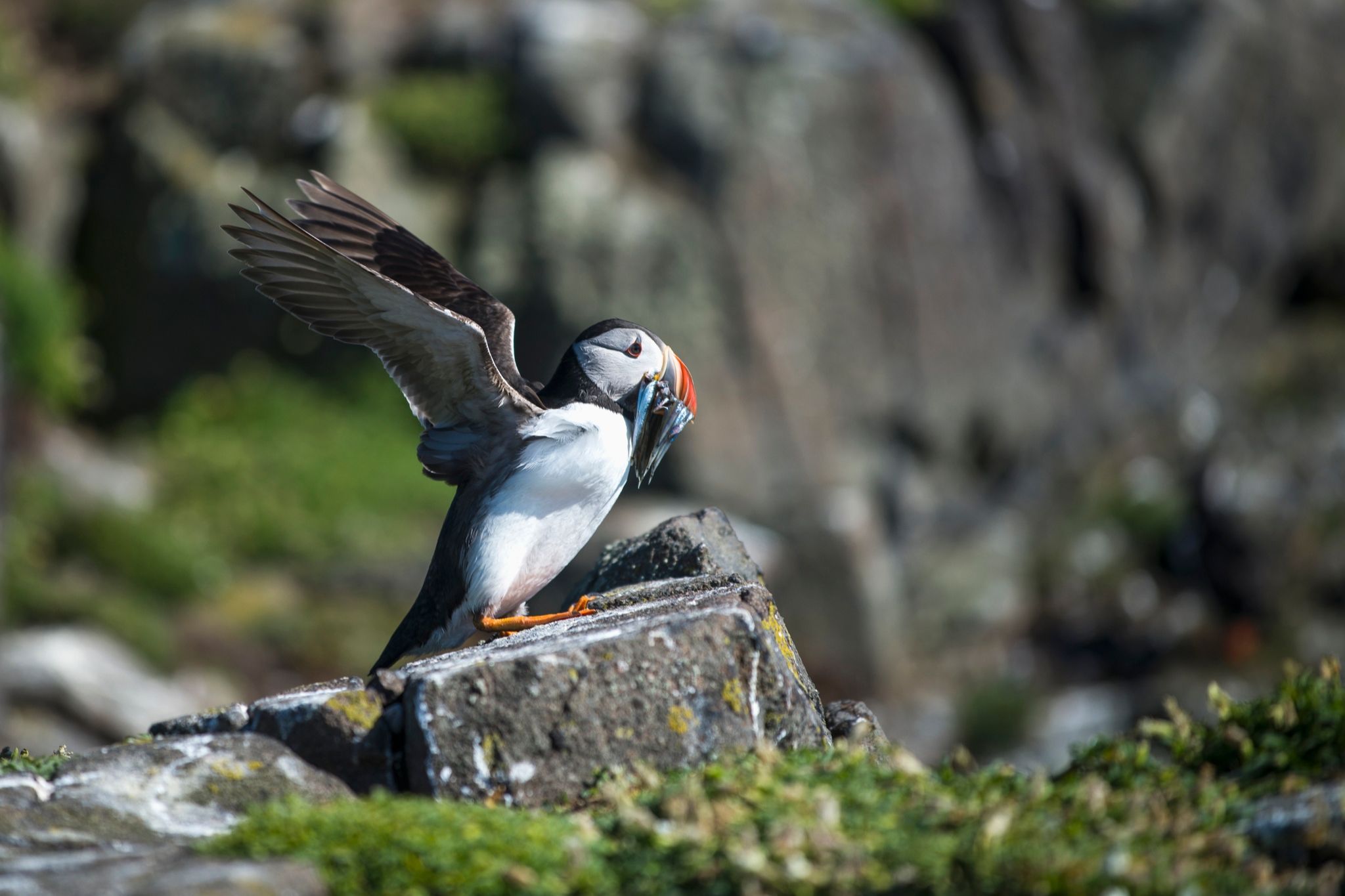
Over 100 islands comprise the Shetland group and each has its very own wildlife speciality. Indeed, some of the greatest natural spectacles in the British Isles are to be found here. Around the coastline, hundreds of species of birds can be seen, and the towering cliffs are a metropolis for over a million seabirds. The endearingly cute puffins number around 350,000, and they share the sea and the sky with gulls, great skuas (known locally as bonxies), fulmars, gannets, storm petrels, shags, guillemots, kittiwakes, razorbills, cormorants, arctic terns, and many others. The largest seabird colonies are on the internationally important bird reserves of Hermaness, Noss, Fair Isle and Foula.
Click on the map or on the area name for more information.
Scottish Highlands and Skye
This is one of the wildest parts of Britain. Many amazing animals, birds and plants live here, including some of Britain's rarest. Glenmore Forest Park, and nearby Rothiemurchus, beside Aviemore, have extensive networks of trails through stands of old pine and out across heaths. Both have ranger services, guided walks programmes and visitor centres. Scottish crossbills, crested tits and ospreys breed and feed in the area, as do pine martens and red squirrels. Or visit the Loch Garten visitor centre near Boat of Garten to see an osprey eyrie or to join a dawn watch for capercaillie in early summer.
Click on the map or on the area name for more information.
Scottish Borders
The south east corner of Scotland is a land of rolling hills, scenic valleys, farmland and dramatic coast. Here, the River Tweed (the area's most important geographic feature) winds its way from the hills above Selkirk and Peebles to the North Sea. The Tweed is widely recognised as one of the world's foremost rivers for Atlantic salmon and also has Scotland's finest displays of water crowfoot. Each stage of the river offers its own wildlife gems. By Peebles it is mossy and popular with dippers. Downstream at Kelso it is reedy and favoured by many species of duck. At its mouth, by Berwick, it is slow moving and oneof the best places in Scotland to observe swans.
Click on the map or on the area name for more information.
Perthshire
At the core of the country that drains into the River Tay (the nation's longest river) sits a bevy of beautiful lochs, with mountains to match. Ben Lawers, near Killin and overlooking Loch Tay, is one of Britain's top areas for scarce Arctic-Alpine plants. Woods in the heart of Perthshire - such as Blair Atholl, Killiecrankie and Dunkeld - are famous for their large trees and the Black Wood of Rannoch is a signficant remnant of the ancient Caledonian forest.
Click on the map or on the area name for more information.
Outer Hebrides
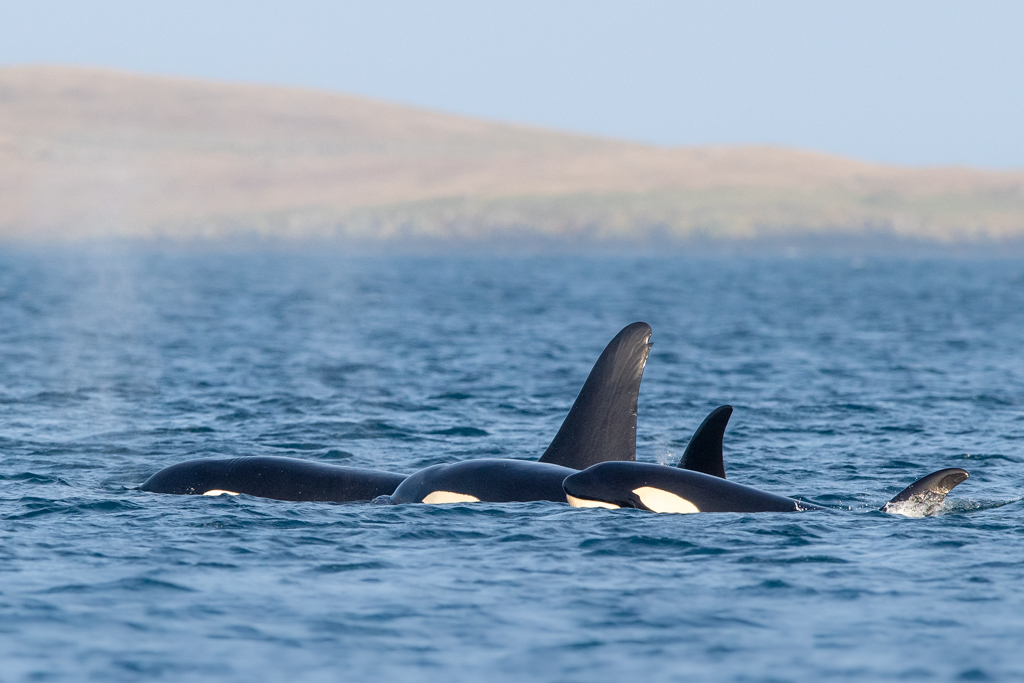
The Outer Hebrides are an isolated, peaceful, unspoilt land with a wide variety of interesting, beautiful species and habitats in a compact area. The islands' environment is recognised internationally as being of global importance. Although most of the UK population may not appreciate it, one of the last real wildernesses is right here on our doorstep; full of rare and iconic species such as the puffin, golden eagle, basking shark, whale, dolphin, otter and corncrake.
Click on the map or on the area name for more information.
Orkney
Orkney has a vast array of wildlife watching opportunities; what else would you expect from an archipelago with a wider range of bird habitats than anywhere of a comparable size in Britain? Bird-watching is rewarding at any time of year here. You don't have to be an expert to see all sorts of birds which are usually shy of humans. In Orkney, crowds of curlew, slow-flying day-hunting owls, and tribes of musical whooper swans are part of the scenery.
Click on the map or on the area name for more information.
Kingdom of Fife
Fife's relatively small size belies the rich array of coastal habitats and species it accommodates. From the sandbanks and reed beds of the Tay Estuary in the north to the craggy bird and seal islands of the Firth of Forth in the south, the Kingdom's stunning seascapes play host to a wealth of nature. Nationally important nature reserves such as Tentsmuir Point, Eden Estuary and the Isle of May are among its crowning glories, the perfect accompaniment to the beautiful and towns and villages which line this stretch of Scotland's North Sea coast.
Click on the map or on the area name for more information.
Greater Glasgow and Clyde Valley
A major chunk of the Scottish population lives in the lowlands between Ayrshire and west Lothian. But that's not to say they don't share the region with a wide range of exciting wildlife species. Glasgow, Scotland's largest city, forms the centrepiece of the area and is home to some of the world's oldest city parks, amny of them good for nature. Look out for otter, mink and kingfisher by the White Cart in Pollock Country Park, home of the Burrell Collection. Foxes and roe deer use the park woodlands, where an interesting variety of plants grows under a wonderful mixed bag of tree species. Also in Glasgow, enjoy the ample wildlife-watching opportunities along the Kelvin Walkway, Possil Marsh and Hogganfield Park (where no less than 115 species of bird have been recorded).
Click on the map or on the area name for more information.
Edinburgh and Lothians
There's a surprising amount of greenspace and wildlife both within and beyond the boundaries of Scotland's capital city. Try the Royal Botanic Garden for starters - a haven of green calm where you're sure to encounter grey squirrels and see plenty of birds among the nature trees. Then go for an amble along the banks of the capital's wildlife gem - the Water of Leith. 12 miles of footpath allow possible sightings of willow warbler, chiffchaff, great spotted woodpecker, sparrowhawk, grey wagtail, dipper, grey heron and even kingfisher, among other birds more commonly associated with the countryside. You can get access to the river in many places such as near the Lanark Road or close to the city centre at Dean Village and Stockbridge.
Click on the map or on the area name for more information.
Dumfries and Galloway
Scotland's west coast meets England at the Solway Firth, which runs from near Gretna to mingle with the Irish Sea at the Mull of Galloway. Huge numbers of migrant wading birds and wildfowl come here from autumn until late spring. See them en masse in autumn and winter at places such as Caerlaverock (south of Dumfries), Mersehead (near Kirkbean) and Wigtown Bay (around and opposite the town of the same name).
Click on the map or on the area name for more information.
Ayrshire & Arran
Situated in Scotland's south west but containing the best aspects of the country's highland and lowland scenery and habitats, Ayrshire and Arran have much to offer lovers of wildlife. All the Clyde islands (and there are many) are alive with nature but the Isle of Arran (often referred to as 'Scotland in Miniature') has some large-scale contrasts. Explore paths through the northern glens for a chance of red deer and Scotland's southernmost ptarmigan or head along the coast to search for seals or indeed basking sharks. Then take a ranger-led tour of Brodick Castle's leafy grounds where you are likely to encounter red squirrels.
Click on the map or on the area name for more information.
|