Scottish Wildcat

Features Title

Sea Eagles in Scotland

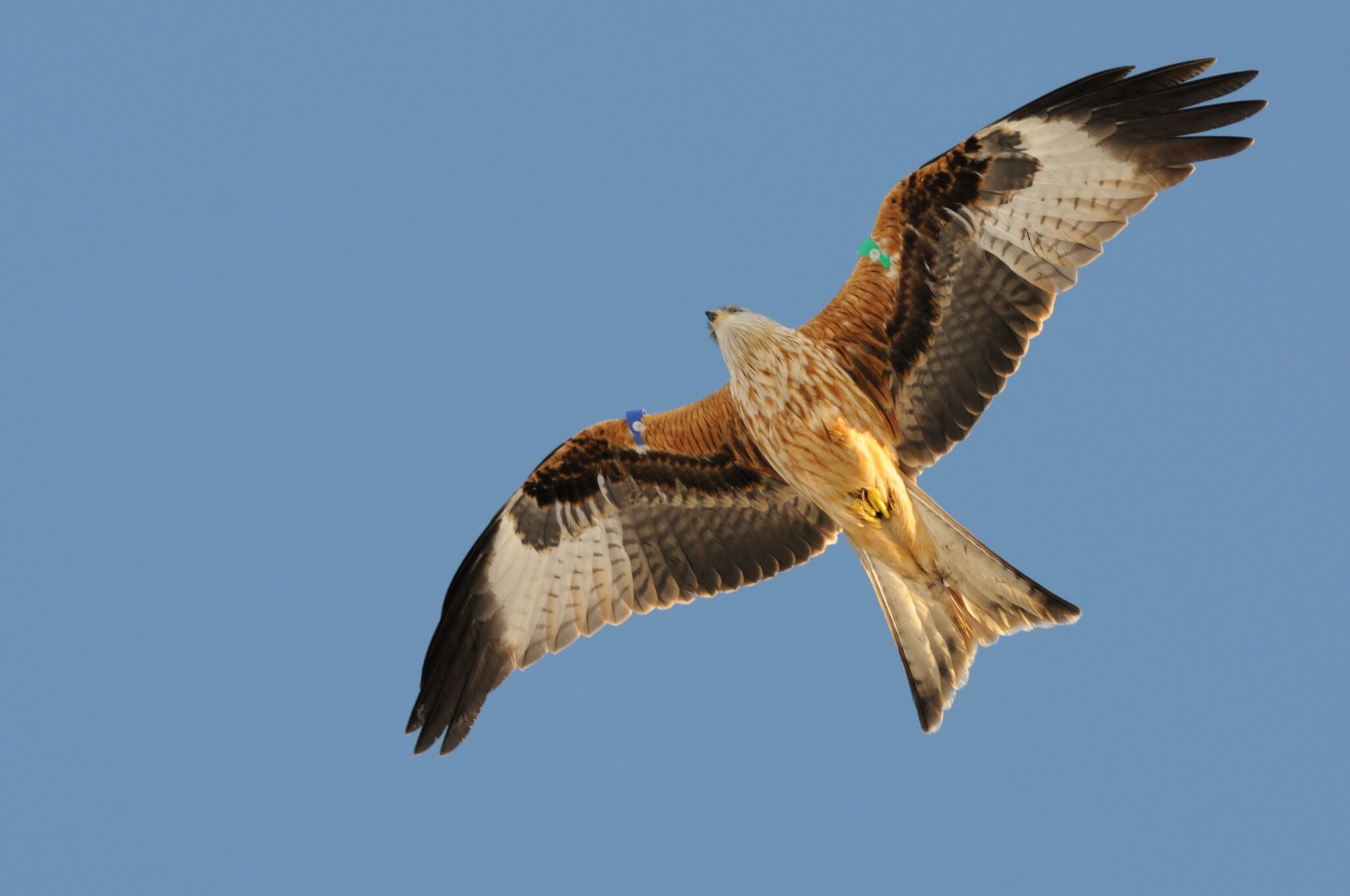
Courtesy of Laurie Campbell Britain’s largest bird of prey, the white-tailed eagle or sea eagle, is a magnificent, if rare, sight in the wilder reaches of western Scotland. This massive bird, the world’s fourth largest eagle, with a wingspan stretching 8 feet across, became extinct in Britain in 1918. Laws were changed during the 1950’s, which helped pave the way for two early attempts at reintroduction in Scotland. A full-scale reintroduction programme got underway on the island of Rum off the west coast of Scotland in 1975 with 82 birds taken from Norway.


The birds were released over a ten-year period and the first breeding success was recorded in 1985. A further 58 young Norwegian eagles were released onto the Scottish mainland and the first of these began to breed in 1998. In 2004, the population is thought to consist of around 80-90 individuals residing in 26 different territories. With the reintroduction programme now complete, Scottish sea eagles are entirely reliant upon Scottish bred young to continue the population. Sea eagles can now be seen on Mull, Skye and passing over many of the other western isles, although it is still a rarity.


Despite its protected status, sea eagles are still persecuted in Scotland. David Sexton, a Royal Society for the protection of birds (RSPB) officer based on the Island of Mull explains “An adult was poisoned in the Highlands in 2003. Its mate died the same way in 2002, so there are still problems for them. Egg collecting is still a threat but local community watches and the police operation against nest robbers - Operation Easter - successfully kept it at bay in 2003.” In total five birds have been killed since the reintroductions began.


Unlike Britain’s other resident eagle, the golden eagle, sea eagles feed mainly on live fish and carrion. There is very little competition between the two species over diet or territory. The population has thrived in recent years and has grown in number.


Mull is home to around 11 pairs of sea eagles out of total Scottish population of 33 pairs. Several wildlife tour operators based on the island know exactly where to show visitors the birds in the wild and they have a high success rate. David Woodhouse runs Isle of Mull Wildlife Expeditions and regularly spots sea eagles while guiding visitors on the island, “To see sea eagles out in the wilds of the Hebrides you need to understand the significance of the wind direction and general weather of the day,” he explains. “If it’s showery, its a good day, as they are very active between showers, much as we are. A very wet day will cause them to hide in trees or on a cliff ledge and they will not fly at all.”


Woodhouse has known some individual Mull eagles for 25 years and the chances of seeing one of these huge birds on his trips are high, “Without showing people a nest, which I disapprove of unless the site is organised like the RSPB's, we see birds almost every trip. In fact the only reason we would not see them would be if it is raining heavily all day.”


In 2003, RSPB Scotland Mull Officer, David Sexton, came up with the idea of using a webcam to watch the birds on the banks of Loch Frisa, near Tobermory. The project, a collaboration between Forest Enterprise, the Mull and Iona Community Trust, RSPB and Scottish Natural Heritage sent live images from the nest back to a screen in the viewing hide and on to the RSPB website. That year saw seven chicks fledge. Each subsequent year has seen an increase in eagles successfully fledging. The CCTV camera has been a huge hit.


“Using CCTV cameras and a screen in a viewing hide, visitors can see the birds clearly,” explains Adam Harper, RSPB Scotland’s National media officer. “The best time of year to see sea eagles would have to be the breeding season in the Spring. The adults are quite active, hunting for food for the nesting bird and also for their young.”


2005 saw a surge of interest in sea eagles with the BBC television Springwatch programme recording the daily lives of tow of the fledglings, Itchy and Scratchy. The sea eagle hide will open again in 2006 from 10 April and bookings can be made from 27 March (Tel: 01688 302 038). There will be two trips per day on week days at 1000 and 1300, one on Saturday at 1000 and one on Sunday at 1200.


“We may increase this as the season progresses,” explains David Sexton. “If the demand is there. Trips have to be booked in advance. Visitors are met by a ranger who leads the to the hide. It takes about two hours. You can head out early if you wish. Disabled visitors can be driven right to the hide door which can accommodate wheelchairs.”


The trip costs £3 for adults/£1.50 for children. The income goes towards the sea eagle project and other local causes. The hide should remain open until at least mid July depending on when the chicks fledge. The close-up CCTV camera will be operating from the nest, beaming pictures to the hide and there will be a webcam and diary on the RSPB website.


“The BBC Springwatch effect was huge last year and due to the ongoing publicity from that and other films featuring the Mull sea eagles we predict it will be quite busy again,” adds David Sexton. Famous wildlife filmmaker Simon King recently returned to catch up on the two chicks, Itchy & Scratchy and to see how they are progressing as adults. His film will be shown during Springwatch 2006, which starts at the end of May and comes from Shetland.

Further Information


Mull viewing hide:


Ranger-led visits to the hide run from Easter to mid-July. Booking is essential and numbers are restricted to 30 per visit. For more information, contact the Sea Eagle Booking Office on 01688 302038 (9am - 5pm)

Tourist Information Centre in Craignure, Mull.


Tel : 01680 812377 (Sat/Sun 9am – 5pm)

RSPB Webcam:


Click here to see the RSPB Webcam.


Report sea eagle sightings to RSPB office in Inverness


Tel: 01463 715000

Wildlife tour operators on Mull:


Discover Mull


Click here to see the Discover Mull website.


Tel: 01688 400415


They operate day trips for £30 per person, £25 for under-14’s inc. lunch and coffee breaks. Binoculars available.

Island Encounter Wildlife & Birdwatch Safaris


Click here to see the Island Encounter Wildlife & Birdwatching Safaris website.


Tel: 01680 300441


Day safaris around Mull for £32 per person inc. lunch and drinks. A donation is made to WWF for each person who comes on a safari.

Isle of Mull Wildlife Expeditions


Click here to see the Isle of Mull Wildlife Expeditions website.


£33.50 per person inc. lunch and coffee breaks. £28.50 for children under 12.


Tel: 01688 500121

Wings over Mull birds of prey & conservation centre at Auchnacroish House, Torosay, Craignure, Isle of Mull.


Click here to see the Wings over Mull website.


Open from Easter to end of October. 10.30am – 5.30pm. Flying displays daily midday, 2pm and 4pm. Adult £4.50, Child £1.50, Family (up to 2 children) £10.00


Tel: 01680 812594


They also run hawking holidays and teach falconry.

Skye:


With luck you might also spot sea eagles in Kylerhea Forest on the Isle of Skye. The viewing hide overlooks the Kylerhea Narrows, the narrowest sea crossing between Skye and mainland Scotland. The Otter Haven hide is open 9.30pm – 5pm all year. In summer there is a warden in the hide who will answer questions.


Tel : 01320 366322

back to News & Features section


paw prints

Contact Us Responsible Watching Site Map